The relationship between walking intensity and health benefits has been extensively studied in recent years, revealing compelling evidence that how we walk matters just as much as how much we walk. While the simple act of putting one foot in front of the other is universally accessible, the pace, duration, and consistency of walking create vastly different physiological responses. This nuanced understanding is reshaping public health recommendations and personal fitness strategies alike.
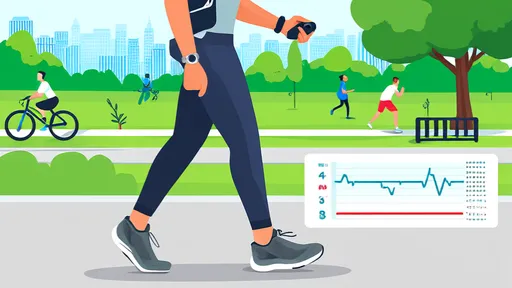
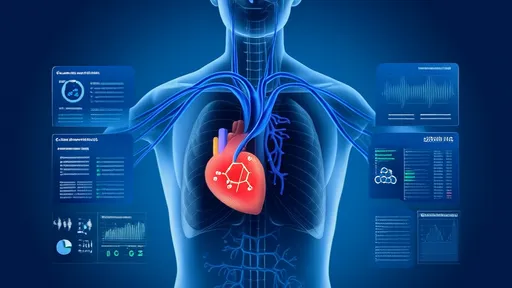
Walking exists on a spectrum of intensity, from leisurely strolls to power walking that borders on jogging. Research indicates that moderate-intensity walking—where you can talk but not sing—triggers cardiovascular adaptations that casual walking does not. This sweet spot elevates heart rate sufficiently to strengthen the heart muscle, improve circulation, and boost metabolic function without the joint stress of high-impact activities. Studies tracking tens of thousands of walkers show those maintaining 100+ steps per minute (the threshold for moderate intensity) experience 20-30% greater reductions in all-cause mortality compared to slower walkers.
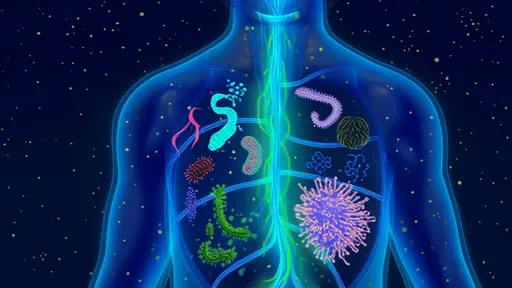
The cellular mechanisms behind these benefits are fascinating. At moderate intensities, skeletal muscles release specialized proteins called myokines that act as biochemical messengers. These compounds reduce systemic inflammation, enhance insulin sensitivity, and even stimulate brain-derived neurotrophic factor (BDNF) production—a protein crucial for neuroplasticity. This explains why brisk walkers consistently show better cognitive function and lower dementia risk in longitudinal studies. The difference isn't merely cardiovascular; it's systemic.
Terrain variation introduces another layer of complexity. Walking uphill or on uneven surfaces at moderate intensity engages more muscle fibers than flat-ground walking, particularly in the glutes, hamstrings, and core stabilizers. This translates to greater post-exercise oxygen consumption (the "afterburn effect") and superior improvements in functional mobility. Trail walkers often demonstrate better balance and proprioception than treadmill users, highlighting how environment modulates walking's benefits.
Emerging research challenges the "10,000 steps" dogma by demonstrating that step intensity creates nonlinear health returns. A 2023 meta-analysis found individuals accumulating 8,000 brisk steps saw greater metabolic improvements than those taking 12,000 casual steps. The body responds to physiological stress, not just movement quantity. This explains why mail carriers (who walk briskly with purpose) show better health metrics than retail workers (who amble intermittently) despite similar daily step counts.
The psychological dimension of walking intensity warrants equal attention. Brisk walking stimulates endocannabinoid production more effectively than slow walking, creating what researchers call a "walker's high." This neurochemical response—distinct from runner's high—combines mild euphoria with stress reduction. Regular brisk walkers report 40-50% greater mood improvements than casual walkers in controlled studies, suggesting pace influences mental health benefits as much as physical ones.
Practical application of this science requires individualized approaches. While public health guidelines recommend 150 weekly minutes of moderate activity (achievable through 30-minute brisk walks five days weekly), fitness newcomers should gradually build intensity. The "talk test" remains the most accessible intensity gauge: if you can speak in full sentences but not comfortably recite poetry, you've hit moderate intensity. Wearable technology adds precision, with heart rate zones (50-70% of maximum) providing real-time feedback.
Seasoned walkers can incorporate high-intensity intervals—short bursts of vigorous walking followed by recovery periods—to amplify benefits. Studies show this approach improves VO2 max (a key longevity marker) 25% faster than steady-state walking. The interval structure also appears to enhance mitochondrial biogenesis, essentially upgrading cellular energy production. This makes interval walking particularly valuable for aging populations seeking to combat sarcopenia and metabolic slowdown.
The social context of walking intensity reveals intriguing patterns. Group walks tend to naturally settle into paces 10-15% faster than solo walks, demonstrating the motivational power of collective movement. This "social facilitation effect" may explain why walking clubs consistently report better health outcomes than independent walkers. The combination of moderate intensity and social connection creates a potent health intervention accessible to nearly all populations.
Ultimately, walking represents the most democratic form of exercise, but its benefits are far from equally distributed. By understanding and applying intensity principles, individuals can transform a basic human movement into a precision health tool. The research is clear: when it comes to walking for health, how you walk changes what you gain.

By /Jul 14, 2025

By /Jul 14, 2025

By /Jul 14, 2025
By /Jul 14, 2025
By /Jul 14, 2025

By /Jul 14, 2025

By /Jul 14, 2025

By /Jul 14, 2025
By /Jul 14, 2025

By /Jul 14, 2025
By /Jul 14, 2025

By /Jul 14, 2025

By /Jul 14, 2025

By /Jul 14, 2025

By /Jul 14, 2025

By /Jul 14, 2025

By /Jul 14, 2025

By /Jul 14, 2025
By /Jul 14, 2025

By /Jul 14, 2025
