Fermented foods have been a staple in human diets for thousands of years, celebrated not only for their unique flavors but also for their potential health benefits. From kimchi in Korea to sauerkraut in Germany, these foods are deeply rooted in culinary traditions across the globe. However, as science advances, we are beginning to understand more about how to consume them in ways that maximize their nutritional value and minimize potential risks.
The Science Behind Fermentation
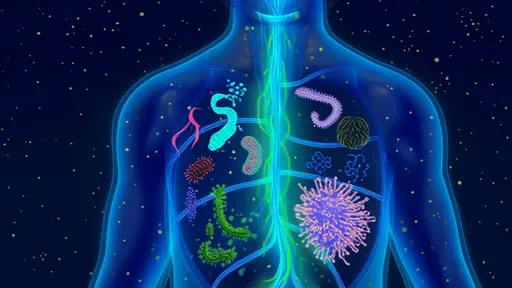
Fermentation is a metabolic process where microorganisms like bacteria, yeast, or molds convert organic compounds—such as sugars and starches—into alcohol or acids. This not only preserves the food but also creates beneficial enzymes, B vitamins, omega-3 fatty acids, and various strains of probiotics. The live bacteria present in fermented foods can contribute to a healthier gut microbiome, which is increasingly linked to improved digestion, immunity, and even mental health.
Choosing the Right Fermented Foods
Not all fermented foods are created equal. While yogurt, kefir, and traditionally made pickles are rich in probiotics, many commercially available products are pasteurized, which kills the beneficial bacteria. Reading labels is crucial—look for terms like "live cultures," "unpasteurized," or "naturally fermented." Foods like miso, tempeh, and kombucha also offer health benefits, but their sugar or sodium content should be considered, especially for those with dietary restrictions.
How Much Should You Consume?
Moderation is key. Introducing too many fermented foods too quickly can lead to digestive discomfort, such as bloating or gas, as your gut adjusts to the influx of probiotics. Start with small servings—a tablespoon of sauerkraut or a half-cup of kefir daily—and gradually increase as tolerated. Those with histamine intolerance or certain digestive conditions like SIBO (small intestinal bacterial overgrowth) should consult a healthcare provider before adding these foods to their diet.
Pairing Fermented Foods with Other Nutrients
To enhance the benefits of fermented foods, pair them with prebiotics—fibers that feed the good bacteria in your gut. Foods like garlic, onions, bananas, and whole grains are excellent choices. Combining fermented foods with a diverse, plant-rich diet ensures a thriving gut ecosystem. For instance, a breakfast of yogurt with bananas and oats can be a powerful way to start the day.
Potential Pitfalls and How to Avoid Them
While fermented foods are generally safe, improper preparation can lead to contamination. Home fermenters should follow strict hygiene practices to avoid harmful bacteria. Additionally, some fermented products, like certain cheeses or cured meats, may contain high levels of salt or unhealthy fats. Balance is essential—incorporate fermented foods as part of a varied diet rather than relying on them exclusively.
The Future of Fermented Foods
As research continues, fermented foods are gaining attention for their role in personalized nutrition. Scientists are exploring how different strains of probiotics interact with individual gut microbiomes, paving the way for tailored dietary recommendations. Whether you're a fan of tangy kefir or spicy kimchi, understanding the science behind these foods can help you make informed choices for better health.

By /Jul 14, 2025

By /Jul 14, 2025

By /Jul 14, 2025
By /Jul 14, 2025

By /Jul 14, 2025

By /Jul 14, 2025

By /Jul 14, 2025

By /Jul 14, 2025

By /Jul 14, 2025
By /Jul 14, 2025

By /Jul 14, 2025

By /Jul 14, 2025

By /Jul 14, 2025

By /Jul 14, 2025

By /Jul 14, 2025

By /Jul 14, 2025

By /Jul 14, 2025

By /Jul 14, 2025
By /Jul 14, 2025

By /Jul 14, 2025
