The year 2025 marks a significant milestone in nutritional science with the release of the updated Antioxidant Food Pyramid, a revolutionary guide that redefines how we perceive and consume foods rich in free-radical-fighting compounds. This new iteration isn’t just a minor tweak to its predecessor; it’s a comprehensive overhaul reflecting cutting-edge research on cellular protection, longevity, and metabolic synergy. Gone are the days when antioxidants were merely associated with blueberries and dark chocolate. The 2025 pyramid introduces unexpected candidates, reshuffles traditional hierarchies, and emphasizes bioavailability in ways that challenge conventional dietary wisdom.
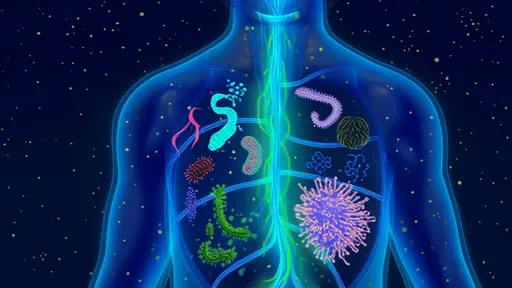
At the foundation of the pyramid lie fermented foods, a surprising but scientifically justified addition. Kimchi, kefir, and miso now share the spotlight with staples like spinach and kale. Researchers discovered that fermentation enhances the bioavailability of polyphenols while producing unique postbiotic compounds with potent antioxidant properties. The synergy between live cultures and plant-based nutrients creates a gut environment that maximizes antioxidant absorption—a revelation that underscores the importance of digestive health in combating oxidative stress. This shift represents a broader trend in nutritional science: viewing food not just as a source of isolated compounds but as a complex ecosystem interacting with our biology.
Moving up the pyramid, the 2025 version introduces a novel category: adaptogen-antioxidant hybrids. Foods like reishi mushrooms, ashwagandha, and holy basil occupy this tier, recognized for their dual ability to combat free radicals while modulating stress responses. Chronic stress has been identified as a major contributor to systemic oxidation, making these bifunctional foods particularly valuable. The updated guidelines recommend incorporating these not as occasional supplements but as regular dietary components, with specific preparation methods to preserve their delicate bioactive compounds. For instance, simmering reishi mushrooms for hours in acidic water unlocks polysaccharides that exhibit thirty times the antioxidant capacity of raw specimens.
The middle tiers witness a dramatic reevaluation of traditional antioxidant powerhouses. While berries retain their status, their positioning now considers cultivar differences—wild blueberries outperform cultivated varieties by up to 40% in ORAC (Oxygen Radical Absorbance Capacity) measurements. More strikingly, common kitchen herbs like oregano and thyme leapfrog several tiers, with research showing that a teaspoon of dried oregano contains the antioxidant equivalent of three cups of spinach. This recalibration serves as a reminder that potency doesn’t always correlate with volume, encouraging consumers to rethink portion sizes and culinary applications of these flavor-packed botanicals.
Animal-derived antioxidants receive unprecedented attention in the new pyramid, particularly marine carotenoids from microalgae-consuming seafood. Wild-caught salmon, krill oil, and certain shellfish contain astaxanthin—a molecule with 6,000 times the antioxidant capacity of vitamin C. The 2025 guidelines emphasize the importance of sourcing, as farm-raised alternatives often lack these compounds without proper dietary supplementation. This inclusion bridges the gap between plant-centric and omnivorous diets, acknowledging that oxidative protection manifests across the food chain in biologically diverse forms.
At the pyramid’s apex sit phytonutrient-dense seeds—black sesame, chia, and especially watermelon seeds, which emerged as dark horses in antioxidant research. When properly activated (soaked and sprouted), these tiny nutritional powerhouses exhibit enzyme activity that amplifies their protective effects. The updated guidelines provide precise preparation protocols, recognizing that improper handling can render even the most potent foods biologically inert. This attention to detail reflects a maturation in dietary recommendations—moving beyond simplistic "eat this" directives to nuanced understandings of food preparation biochemistry.
The 2025 pyramid introduces an innovative outer ring: temporal consumption guidelines. Research reveals that antioxidant efficacy fluctuates with circadian rhythms—lycopene from tomatoes absorbs best at midday, while walnuts’ melatonin content makes them ideal evening antioxidants. This chrono-nutrition dimension adds sophistication to the model, acknowledging that when we eat may be as crucial as what we eat. Practical applications include color-coded meal planning charts and seasonal adjustments accounting for shifts in daylight hours and associated metabolic changes.
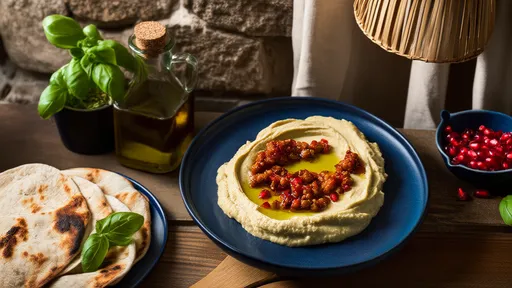
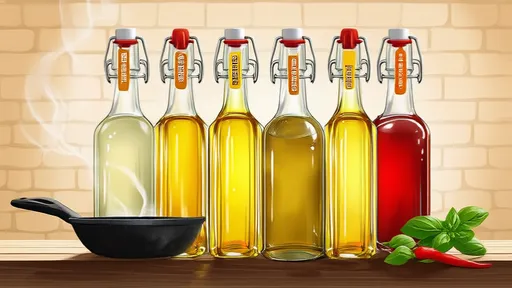
Perhaps the most paradigm-shifting aspect is the pyramid’s new foundation—not a food group, but dietary patterns that enhance antioxidant synergy. The "Mediterranean-Asian fusion" approach emerges as the gold standard, combining the polyphenol richness of extra virgin olive oil with the catechins of matcha and the sulfur compounds of cruciferous vegetables. Clinical trials demonstrate that this cultural crossover produces greater oxidative stress reduction than either diet alone, highlighting the importance of diverse, globally inspired eating patterns over isolated superfoods.
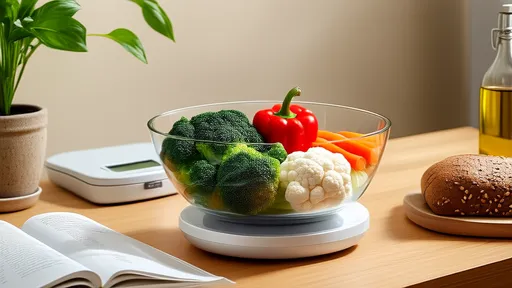
Implementation strategies accompanying the 2025 pyramid address modern lifestyle challenges. For time-pressed individuals, the guidelines introduce the "5-5-5" protocol: five different antioxidant colors daily, five minutes of food combining (like pairing turmeric with black pepper), and five weekly servings of fermented foods. These pragmatic adaptations make the science accessible without diluting its complexity, bridging the gap between academic research and real-world kitchens.
As the dust settles on this nutritional revolution, one truth becomes clear: the 2025 Antioxidant Food Pyramid isn’t just a list—it’s a dynamic, interconnected system reflecting our deepening understanding of food as medicine. By transcending simplistic rankings and embracing complexity, it offers a roadmap not just for longer life, but for more vibrant living at the cellular level. In an era of environmental toxins and heightened oxidative stressors, this updated guide provides more than dietary advice—it offers a tangible form of biological resilience.

By /Jul 14, 2025

By /Jul 14, 2025

By /Jul 14, 2025
By /Jul 14, 2025
By /Jul 14, 2025
By /Jul 14, 2025
By /Jul 14, 2025
By /Jul 14, 2025
By /Jul 14, 2025
By /Jul 14, 2025

By /Jul 14, 2025

By /Jul 14, 2025

By /Jul 14, 2025
By /Jul 14, 2025
By /Jul 14, 2025
By /Jul 14, 2025

By /Jul 14, 2025

By /Jul 14, 2025
By /Jul 14, 2025
By /Jul 14, 2025
