The modern workplace has become a breeding ground for sedentary lifestyles. As more jobs transition to desk-based roles, employees find themselves glued to chairs for upwards of eight hours a day. This epidemic of inactivity isn't just uncomfortable—it's slowly killing us. Research continues to mount showing the devastating health consequences of prolonged sitting, from increased cardiovascular risks to metabolic disorders.
Yet the solution isn't as simple as telling people to "move more." The real challenge lies in overcoming the structural and psychological barriers that keep us seated. Office cultures, tight deadlines, and the constant ping of digital notifications create an environment where standing up feels like an interruption rather than a necessity. This is where fragmented approaches to breaking up sedentary behavior show remarkable promise.
The Power of Micro-Movements
Traditional exercise recommendations often fail because they require significant time commitments that feel impossible to maintain. The genius of fragmented movement lies in its accessibility. Five minutes of walking every hour doesn't require special equipment, workout clothes, or shower time. It simply requires recognizing natural breaks in workflow and using them purposefully.
Studies demonstrate that these micro-movements accumulate to produce real benefits. One landmark study published in the American Journal of Epidemiology found that replacing just 30 minutes of daily sitting with light activity reduced mortality risk by 17%. The effects became even more pronounced when that time involved moderate-to-vigorous activity, with risk reduction jumping to 35%.
Environmental Triggers for Movement
Human behavior responds powerfully to environmental cues. Smart offices are beginning to incorporate design elements that naturally encourage movement without requiring conscious effort. From printers placed down the hall to standing meeting areas and centrally located trash bins, these subtle architectural choices create necessary interruptions to sitting.
The tech industry has taken notice, with various apps and wearables now offering movement reminders. However, the most effective solutions often blend digital prompts with physical environment changes. A study from the University of Minnesota found that employees who received both smartphone alerts and had access to sit-stand desks reduced their sitting time by nearly two hours per day compared to control groups.
Cognitive Benefits Beyond Physical Health
While the physical advantages of breaking up sedentary time are well-documented, the cognitive benefits deserve equal attention. Neuroscientists have found that brief movement breaks enhance creativity and problem-solving abilities. The explanation lies in how physical activity stimulates different brain networks than those used during focused work.
Many report their best ideas come during walks or while standing and stretching. This isn't coincidence—it's neurobiology. Movement increases blood flow to the brain and triggers the release of BDNF (brain-derived neurotrophic factor), essentially fertilizer for neurons. Companies that encourage movement breaks often see unexpected boosts in innovation alongside healthier employees.
The Social Contagion of Movement
Behavioral science reveals an interesting phenomenon: movement spreads socially. When one person in an office starts taking regular standing breaks, others tend to follow. This creates a cultural shift where movement becomes normalized rather than seen as disruptive.
Forward-thinking organizations harness this by implementing group stretch sessions or walking meetings. The approach kills two birds with one stone—it breaks up sedentary time while strengthening team cohesion. Research from Stanford University demonstrates that walking meetings in particular lead to more creative outcomes than traditional seated discussions.
Overcoming the Mental Barriers
Despite knowing the risks, many professionals resist movement breaks due to perceived productivity loss. This represents perhaps the greatest challenge in changing sedentary behavior. The irony is that the productivity people try to protect by remaining seated actually declines with prolonged sitting due to mental fatigue and physical discomfort.
Effective interventions address this mindset directly by reframing movement as productivity enhancement rather than interruption. Some companies have seen success with "movement minutes" tracking that shows employees how activity breaks correlate with daily output metrics. When people see data demonstrating they accomplish more on days with regular movement, resistance melts away.
Personalization Is Key
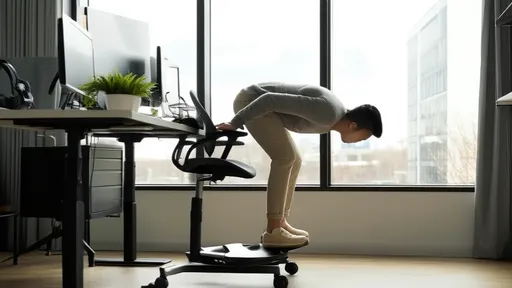
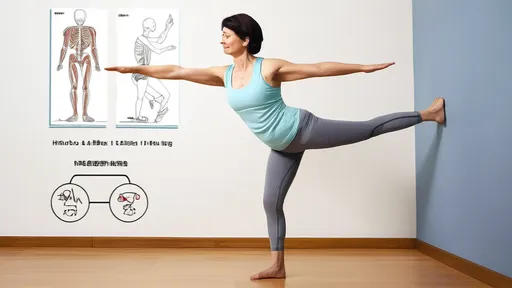
Not all movement solutions work equally for everyone. An accountant might benefit from hourly yoga stretches at their desk, while a software developer might prefer short walks to clear their mind. The most successful interventions offer variety and personal choice rather than one-size-fits-all mandates.
This personalization extends to timing as well. Some people naturally work in 90-minute focus blocks, while others operate in shorter bursts. Aligning movement breaks with individual work rhythms increases compliance. Wearable technology now makes it possible to customize alerts based on actual sitting time rather than arbitrary intervals.
The Future of Active Workspaces
As research continues to validate fragmented movement approaches, workspace design evolves accordingly. The offices of tomorrow likely won't have assigned seating at all, but rather fluid spaces that encourage natural movement throughout the day. Some progressive companies already implement "hot desking" systems where employees move between workstations, combining the benefits of environmental variety with necessary physical activity.
What began as simple standing desk options has blossomed into a comprehensive reimagining of how we structure work. The most innovative solutions don't just mitigate the harms of sitting—they create environments where movement happens organically as part of the workflow rather than as an add-on to be scheduled.
The sedentary behavior crisis won't be solved by gym memberships or marathon training. The real solution lies in the small, frequent interruptions to sitting that add up to significant change. By making movement the path of least resistance in our daily routines, we can reclaim both our health and our productivity without sacrificing either.
By /Jul 14, 2025

By /Jul 14, 2025

By /Jul 14, 2025

By /Jul 14, 2025

By /Jul 14, 2025

By /Jul 14, 2025

By /Jul 14, 2025

By /Jul 14, 2025

By /Jul 14, 2025

By /Jul 14, 2025
By /Jul 14, 2025

By /Jul 14, 2025
By /Jul 14, 2025

By /Jul 14, 2025

By /Jul 14, 2025

By /Jul 14, 2025

By /Jul 14, 2025

By /Jul 14, 2025

By /Jul 14, 2025

By /Jul 14, 2025
