In the world of cooking oils, the choices can be overwhelming. From olive oil to avocado oil, each variety comes with its own set of benefits and drawbacks. One of the most critical factors to consider when selecting an oil is its smoke point—the temperature at which it begins to break down and produce harmful compounds. Understanding this, along with the health implications of different oils, can help you make informed decisions in the kitchen.
The Science Behind Smoke Points
Every cooking oil has a unique smoke point, which is essentially the temperature at which it stops shimmering and starts smoking. When an oil reaches this point, it undergoes chemical changes that can degrade its nutritional value and release free radicals and acrolein, a compound that can impart a bitter taste and may be harmful to health. Oils with high smoke points are better suited for high-heat cooking methods like frying or searing, while those with lower smoke points are ideal for dressings or low-heat sautéing.
For instance, refined avocado oil boasts one of the highest smoke points at around 520°F (270°C), making it an excellent choice for deep-frying. On the other end of the spectrum, unrefined flaxseed oil has a very low smoke point, around 225°F (107°C), and is best reserved for drizzling over finished dishes. The refining process often raises an oil's smoke point by removing impurities, but it can also strip away some of its natural flavors and nutrients.
Health Considerations Beyond the Smoke Point
While smoke point is a crucial factor, it’s not the only one to consider. The fatty acid composition of an oil plays a significant role in its health impact. Oils rich in monounsaturated and polyunsaturated fats, such as olive oil and walnut oil, are generally considered heart-healthy. These fats can help reduce bad cholesterol levels and lower the risk of cardiovascular disease. However, polyunsaturated fats, like those found in soybean or corn oil, are less stable at high temperatures and may oxidize more easily, leading to the formation of harmful compounds.
Saturated fats, prevalent in coconut oil and animal-based fats like butter or lard, have been controversial. While they are more stable at high heat, their association with increased LDL cholesterol levels has led many health experts to recommend using them in moderation. That said, recent studies suggest that the type of saturated fat matters—for example, the medium-chain triglycerides (MCTs) in coconut oil may have metabolic benefits, though more research is needed.
Balancing Flavor and Functionality
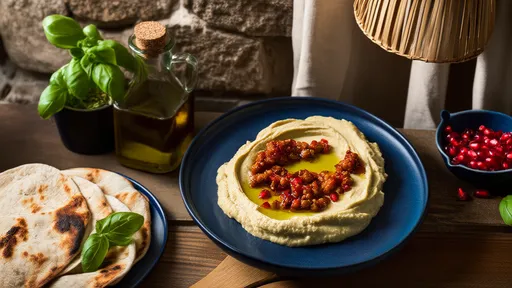
Beyond health and heat tolerance, flavor is another key consideration. Extra virgin olive oil, with its robust, fruity notes, is a staple in Mediterranean cuisine but may overpower delicate dishes. In contrast, a neutral-tasting oil like grapeseed or refined sunflower oil can blend seamlessly into both savory and sweet recipes without altering their intended flavors. The key is to match the oil’s profile to the dish—whether you're aiming for a bold, distinctive taste or a subtle, unobtrusive backdrop.
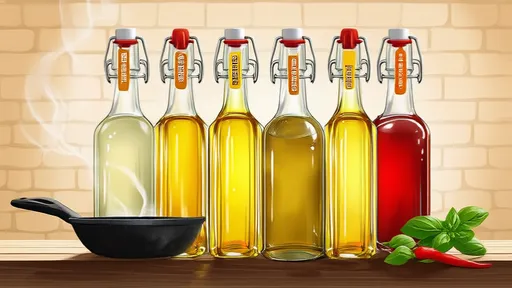
For those who enjoy experimenting in the kitchen, keeping a variety of oils on hand can be advantageous. A high-smoke-point oil like peanut oil might be your go-to for stir-fries, while a drizzle of toasted sesame oil can add depth to an Asian-inspired noodle dish. Meanwhile, a bottle of high-quality extra virgin olive oil can elevate a simple salad or bruschetta. The versatility of oils allows for endless culinary creativity, provided you understand their strengths and limitations.
Practical Tips for Everyday Cooking
To maximize both safety and flavor, it’s wise to avoid reusing oil multiple times, especially after high-heat cooking. Reheated oil not only has a lower smoke point but also accumulates harmful byproducts. Storing oils properly—away from heat and light—can also prolong their shelf life and preserve their nutritional qualities. Dark glass bottles or opaque containers are ideal for oils prone to oxidation, such as flaxseed or hemp oil.
Ultimately, the best cooking oil depends on your specific needs—whether it’s health-driven, flavor-focused, or heat-dependent. By understanding the interplay between smoke points, fatty acid profiles, and culinary applications, you can make choices that enhance both the taste and nutritional value of your meals. The right oil can transform a good dish into a great one, while the wrong one can undermine even the most carefully prepared recipe.

By /Jul 14, 2025

By /Jul 14, 2025

By /Jul 14, 2025

By /Jul 14, 2025

By /Jul 14, 2025
By /Jul 14, 2025
By /Jul 14, 2025
By /Jul 14, 2025

By /Jul 14, 2025

By /Jul 14, 2025

By /Jul 14, 2025

By /Jul 14, 2025

By /Jul 14, 2025

By /Jul 14, 2025

By /Jul 14, 2025
By /Jul 14, 2025

By /Jul 14, 2025

By /Jul 14, 2025

By /Jul 14, 2025

By /Jul 14, 2025
