The growing awareness of cognitive health has brought dietary prevention strategies for early cognitive decline into sharp focus. As research continues to uncover the intricate relationship between nutrition and brain function, it becomes increasingly clear that what we eat plays a pivotal role in maintaining mental acuity. This isn't about quick fixes or miracle foods; rather, it's about cultivating sustainable eating patterns that nourish the brain over a lifetime.
The Mediterranean diet has emerged as a frontrunner in the conversation about cognitive preservation. Its emphasis on olive oil, fatty fish, nuts, and leafy greens provides a rich array of antioxidants and anti-inflammatory compounds. These nutrients work synergistically to protect neurons from oxidative stress, which is considered one of the primary contributors to cognitive deterioration. The diet's high content of omega-3 fatty acids, particularly from seafood, supports the structural integrity of brain cells and facilitates better communication between them.
What makes the Mediterranean approach particularly compelling is its holistic nature. Unlike restrictive diets that eliminate entire food groups, it celebrates diversity on the plate while maintaining nutritional balance. The inclusion of moderate red wine consumption, rich in polyphenols like resveratrol, adds another layer of potential neuroprotection. However, experts caution that the benefits likely stem from the dietary pattern as a whole rather than any single component.
Beyond specific diets, emerging research highlights the importance of meal timing and frequency for cognitive health. The concept of intermittent fasting has gained traction, not as a weight loss strategy but as a potential neuroprotective practice. By allowing extended periods between meals, the body enters ketosis, producing ketone bodies that serve as alternative energy sources for brain cells. This metabolic switch appears to enhance neuronal resilience and may stimulate the production of brain-derived neurotrophic factor (BDNF), crucial for learning and memory.
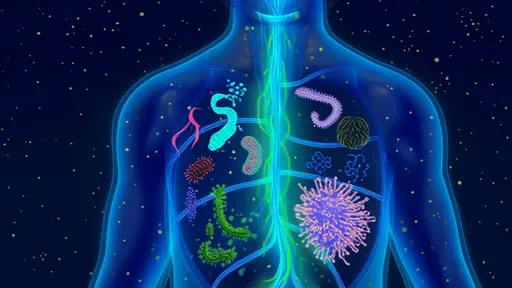
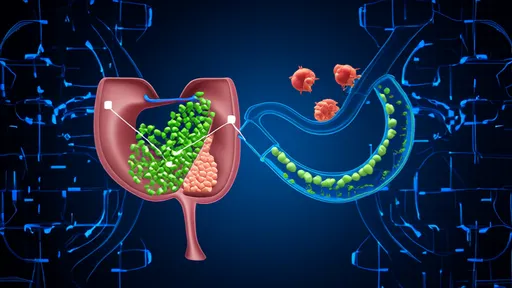
The gut-brain axis represents another fascinating frontier in dietary prevention. A thriving gut microbiome, fostered by fiber-rich foods and fermented products, produces short-chain fatty acids that exert anti-inflammatory effects throughout the body, including the brain. Prebiotic foods like garlic, onions, and bananas, along with probiotic-rich yogurt and kefir, may contribute to this beneficial microbial ecosystem. This connection explains why digestive health and cognitive function are increasingly viewed as interdependent.
Certain nutrients have demonstrated particular promise in safeguarding cognitive abilities. Curcumin from turmeric crosses the blood-brain barrier and exhibits potent anti-inflammatory properties. Flavonoids found in berries and dark chocolate enhance cerebral blood flow and may stimulate neurogenesis. Vitamin E, abundant in nuts and seeds, protects cell membranes from oxidative damage. While supplements exist for these compounds, nutritionists emphasize obtaining them through whole foods to benefit from the complex interplay of cofactors and enzymes.
The challenge lies in translating these scientific insights into practical, everyday eating habits. Cultural preferences, food accessibility, and individual health conditions all influence how dietary strategies can be implemented. Nutritionists recommend starting with small, sustainable changes rather than drastic overhauls. Incorporating more colorful vegetables, swapping refined grains for whole varieties, and choosing healthier cooking methods can collectively make a significant difference over time.
Hydration plays an underappreciated role in cognitive maintenance. Even mild dehydration can impair concentration and memory. Herbal teas and water-rich fruits contribute to fluid intake while providing additional phytonutrients. Conversely, excessive alcohol and sugary beverages may accelerate cognitive decline by promoting inflammation and metabolic dysfunction. The quality of hydration matters as much as the quantity.
Social and psychological dimensions of eating should not be overlooked in cognitive preservation strategies. Shared meals and mindful eating practices reduce stress, which is itself a risk factor for cognitive impairment. The sensory pleasure derived from flavorful, well-prepared food may stimulate neural pathways involved in memory and emotion. This holistic perspective acknowledges that nourishment extends beyond biochemical interactions to encompass the entire eating experience.
As research evolves, personalized nutrition may offer more targeted approaches to cognitive protection. Genetic testing and microbiome analysis could help identify individual susceptibilities and optimal dietary patterns. However, the fundamental principles of variety, balance, and moderation remain universally applicable. The journey toward cognitive preservation through diet begins with awareness and culminates in the daily choices that collectively shape brain health across the lifespan.

By /Jul 14, 2025

By /Jul 14, 2025

By /Jul 14, 2025
By /Jul 14, 2025

By /Jul 14, 2025

By /Jul 14, 2025

By /Jul 14, 2025

By /Jul 14, 2025

By /Jul 14, 2025

By /Jul 14, 2025

By /Jul 14, 2025

By /Jul 14, 2025

By /Jul 14, 2025

By /Jul 14, 2025

By /Jul 14, 2025

By /Jul 14, 2025

By /Jul 14, 2025

By /Jul 14, 2025
By /Jul 14, 2025

By /Jul 14, 2025
