Intestinal Health-Friendly Breakfast Options

Jul 14, 2025 By

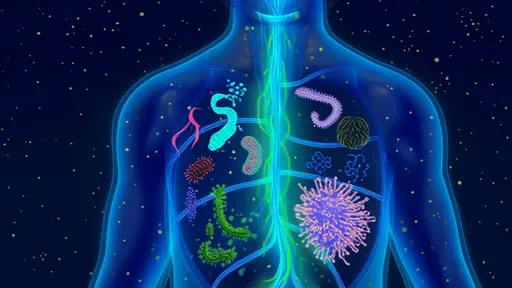
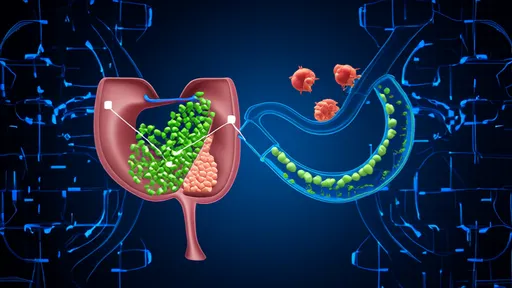
In recent years, the importance of gut health has taken center stage in the wellness community. A growing body of research suggests that a well-balanced gut microbiome is not only essential for digestion but also plays a crucial role in immunity, mental health, and overall well-being. One of the simplest yet most effective ways to nurture your gut is by starting your day with a breakfast designed to support digestive health. The right morning meal can set the tone for the rest of the day, influencing everything from energy levels to mood and even long-term health outcomes.

The foundation of a gut-friendly breakfast lies in incorporating foods rich in fiber, probiotics, and prebiotics. Fiber acts as fuel for the beneficial bacteria in your gut, helping them thrive and maintain a balanced ecosystem. Whole grains, such as oats or quinoa, are excellent choices because they provide both soluble and insoluble fiber. Soluble fiber forms a gel-like substance in the gut, slowing digestion and promoting nutrient absorption, while insoluble fiber adds bulk to stool, aiding regular bowel movements. Pairing these grains with probiotic-rich foods like yogurt or kefir can further enhance gut health by introducing live beneficial bacteria into your system.

Prebiotics, often overlooked but equally important, serve as food for these probiotics. Foods like bananas, garlic, onions, and asparagus are packed with prebiotic fibers that help good bacteria flourish. Including a variety of these ingredients in your breakfast can create a synergistic effect, optimizing your gut microbiome. For instance, a bowl of oatmeal topped with sliced bananas, a dollop of yogurt, and a sprinkle of flaxseeds offers a powerhouse combination of fiber, probiotics, and prebiotics. This not only supports digestion but also keeps you full and energized throughout the morning.

Fermented foods are another cornerstone of a gut-healthy breakfast. Options like sauerkraut, kimchi, or miso paste can be incorporated into morning meals in creative ways. A savory breakfast bowl with fermented vegetables, scrambled eggs, and a slice of whole-grain toast provides a flavorful and nutrient-dense start to the day. The fermentation process enhances the bioavailability of nutrients and increases the concentration of beneficial bacteria, making these foods particularly effective for gut health. Even a small amount can make a significant difference over time, so don’t hesitate to experiment with these ingredients.

Hydration is often underestimated when it comes to gut health, but it plays a pivotal role in maintaining digestive efficiency. Starting your day with a glass of warm lemon water or herbal tea can stimulate digestion and prepare your gut for the day ahead. Herbal teas like ginger or peppermint are especially beneficial, as they have natural anti-inflammatory properties and can soothe the digestive tract. Pairing your breakfast with these beverages ensures that your gut remains hydrated and functions smoothly, reducing the likelihood of bloating or discomfort.

Processed sugars and refined carbohydrates, common in many breakfast staples like pastries or sugary cereals, can disrupt the delicate balance of your gut microbiome. These foods feed harmful bacteria, leading to an overgrowth that may cause inflammation and digestive issues. Instead, opting for natural sweeteners like honey or maple syrup in moderation, or relying on the natural sweetness of fruits, can satisfy cravings without compromising gut health. A smoothie made with spinach, berries, almond milk, and a teaspoon of honey is a delicious alternative that provides vitamins, antioxidants, and fiber without the negative effects of refined sugar.

The timing of your breakfast can also influence gut health. Eating within an hour or two of waking up kickstarts your metabolism and signals your digestive system to begin its daily functions. Skipping breakfast or delaying it too long can lead to sluggish digestion and may disrupt the natural rhythm of your gut. Consistency is key—establishing a routine where you eat a gut-friendly breakfast at roughly the same time each day helps regulate digestive processes and promotes a healthier microbiome over time.

Personalization is another critical aspect of a gut-healthy breakfast. Not all digestive systems are the same, and what works for one person may not work for another. Paying attention to how your body responds to different foods can help you tailor your breakfast to your unique needs. For example, some people may thrive on dairy-based probiotics like yogurt, while others might find plant-based alternatives like coconut yogurt or fermented soy products more suitable. Listening to your body and adjusting accordingly ensures that your breakfast truly supports your gut health.

Incorporating healthy fats into your morning meal can further enhance digestive health. Avocados, nuts, seeds, and olive oil are rich in monounsaturated and polyunsaturated fats, which have anti-inflammatory properties and support the lining of the gut. A slice of whole-grain toast with avocado, a sprinkle of chia seeds, and a drizzle of olive oil is not only delicious but also provides a combination of fiber and healthy fats that promote gut integrity. These fats also aid in the absorption of fat-soluble vitamins, making your breakfast even more nutritious.

Spices and herbs can add both flavor and gut-boosting benefits to your breakfast. Turmeric, for instance, contains curcumin, a compound known for its anti-inflammatory and antioxidant effects. Adding a pinch of turmeric to a morning smoothie or golden milk latte can support gut health and reduce inflammation. Cinnamon, another versatile spice, has been shown to regulate blood sugar levels and promote healthy digestion. Sprinkling cinnamon on oatmeal or blending it into a smoothie can enhance both taste and digestive benefits.

Ultimately, a gut-friendly breakfast is about balance, variety, and mindfulness. By choosing whole, unprocessed foods rich in fiber, probiotics, and prebiotics, you can create a morning routine that nurtures your gut and sets the stage for overall health. Small, consistent changes—like swapping out sugary cereals for a nutrient-dense smoothie or adding fermented foods to your plate—can have a profound impact over time. The key is to enjoy the process, experiment with different ingredients, and listen to your body’s signals to find what works best for you.

Recommend Posts
Health

Fragmented Relief Solutions for Sedentary Behavior

By /Jul 14, 2025

The modern workplace has become a breeding ground for sedentary lifestyles. As more jobs transition to desk-based roles, employees find themselves glued to chairs for upwards of eight hours a day. This epidemic of inactivity isn't just uncomfortable—it's slowly killing us. Research continues to mount showing the devastating health consequences of prolonged sitting, from increased cardiovascular risks to metabolic disorders.
Health

Antioxidant Food Pyramid (2025 Edition)

By /Jul 14, 2025

The year 2025 marks a significant milestone in nutritional science with the release of the updated Antioxidant Food Pyramid, a revolutionary guide that redefines how we perceive and consume foods rich in free-radical-fighting compounds. This new iteration isn’t just a minor tweak to its predecessor; it’s a comprehensive overhaul reflecting cutting-edge research on cellular protection, longevity, and metabolic synergy. Gone are the days when antioxidants were merely associated with blueberries and dark chocolate. The 2025 pyramid introduces unexpected candidates, reshuffles traditional hierarchies, and emphasizes bioavailability in ways that challenge conventional dietary wisdom.
Health

The Mechanism of Deep Sleep's Impact on Memory Consolidation

By /Jul 14, 2025

For centuries, scientists and philosophers have pondered the mysterious relationship between sleep and memory. In recent decades, groundbreaking neuroscience research has revealed that deep sleep—also known as slow-wave sleep—plays a crucial role in memory consolidation. This physiological process transforms fragile new memories into stable, long-term knowledge, fundamentally shaping how we learn and retain information.
Health

The Relationship Between Oral Microbiota and General Health

By /Jul 14, 2025

The human mouth is a bustling ecosystem teeming with microorganisms, collectively known as the oral microbiome. Far from being isolated to the confines of our gums and teeth, these microbial communities wield surprising influence over our overall health. Recent research has unveiled intricate connections between oral bacteria and systemic conditions, ranging from cardiovascular disease to diabetes and even Alzheimer’s. The mouth, it seems, is a window into the body’s wellbeing—or lack thereof.
Health

The Association between Walking Intensity and Health Benefits

By /Jul 14, 2025

The relationship between walking intensity and health benefits has been extensively studied in recent years, revealing compelling evidence that how we walk matters just as much as how much we walk. While the simple act of putting one foot in front of the other is universally accessible, the pace, duration, and consistency of walking create vastly different physiological responses. This nuanced understanding is reshaping public health recommendations and personal fitness strategies alike.
Health

20 Localization Practices of the Mediterranean Diet

By /Jul 14, 2025

The Mediterranean diet has long been celebrated as one of the healthiest eating patterns in the world, renowned for its emphasis on fresh produce, whole grains, olive oil, and lean proteins. However, adopting this diet outside its native region presents unique challenges. Local ingredients, cultural preferences, and culinary traditions vary widely, making it essential to adapt the principles of the Mediterranean diet to different environments. Across the globe, chefs, nutritionists, and home cooks are finding innovative ways to integrate this dietary philosophy into their local cuisines while preserving its core benefits.
Health

Dietary Intervention for Non-alcoholic Fatty Liver Disease

By /Jul 14, 2025

Non-alcoholic fatty liver disease (NAFLD) has quietly become one of the most prevalent chronic liver conditions worldwide, affecting approximately 25% of the global population. Unlike liver damage caused by excessive alcohol consumption, NAFLD stems from metabolic dysfunction and is intricately linked to poor dietary habits. The condition ranges from simple steatosis (fat accumulation in liver cells) to more severe forms like non-alcoholic steatohepatitis (NASH), which can progress to cirrhosis and liver failure. What makes NAFLD particularly insidious is its asymptomatic nature in early stages, often going undetected until significant liver damage has occurred.
Health

The Impact of Cooking Methods on Nutrient Retention Rates

By /Jul 14, 2025

The way we cook our food has a profound impact on the nutritional value we derive from it. While cooking makes many foods more palatable and digestible, certain methods can lead to significant nutrient loss. Understanding how different cooking techniques affect nutrient retention can help us make informed choices in the kitchen to maximize the health benefits of our meals.
Health

Monitoring Inflammatory Markers for Cardiovascular Health

By /Jul 14, 2025

The human body speaks in whispers before it screams. Nowhere is this truer than in cardiovascular health, where inflammation serves as both protector and perpetrator. Long gone are the days when doctors viewed the cardiovascular system as mere plumbing; today’s research reveals an intricate biochemical dialogue where inflammation markers act as early warning signals. These molecular messengers tell stories of arterial stress, endothelial dysfunction, and brewing storms that could lead to heart attacks or strokes if left unchecked.
Health

Early Signs of Trace Mineral Deficiency

By /Jul 14, 2025

The human body operates like a precision instrument, with each micronutrient playing a distinct role in maintaining its delicate balance. Among these, trace minerals—often overlooked in mainstream health discussions—serve as silent conductors of countless biochemical processes. When these microscopic powerhouses begin to dwindle, the body sends subtle distress signals long before clinical deficiencies manifest. Recognizing these early whispers of mineral depletion could mean the difference between proactive wellness and reactive treatment.
Health

Seven Key Points for Home Blood Pressure Monitoring

By /Jul 14, 2025

In an era where preventive healthcare is gaining prominence, home blood pressure monitoring has emerged as a critical tool for managing cardiovascular health. Unlike sporadic clinic readings, regular at-home measurements provide a more comprehensive picture of one's blood pressure patterns, free from the artificial spikes caused by white-coat hypertension. This practice empowers individuals to take an active role in their health management while providing physicians with valuable data for more accurate diagnoses and treatment adjustments.
Health

Food Label Interpretation: Unveiling Hidden Sugar Traps

By /Jul 14, 2025

In the modern grocery landscape, where health-conscious consumers scrutinize nutrition labels with increasing vigilance, a silent predator lurks in plain sight: hidden sugars. These covert sweeteners infiltrate our diets under dozens of aliases, masquerading as "healthy" ingredients while contributing to obesity, diabetes, and cardiovascular diseases. The average consumer might pride themselves on avoiding obvious sugar bombs like soda or candy, yet remain oblivious to the staggering amounts of sweeteners hidden in pasta sauces, salad dressings, and even whole-grain bread.
Health

Weight-bearing Exercise Guidelines for Osteoporosis Prevention

By /Jul 14, 2025

Osteoporosis is a silent but serious condition that weakens bones, making them fragile and more likely to break. As we age, our bone density naturally decreases, but certain lifestyle choices can significantly slow this process. One of the most effective ways to combat bone loss is through weight-bearing exercises, which force the body to work against gravity, stimulating bone formation. This article explores the science behind weight-bearing activities and provides practical guidance on how to incorporate them into daily life for optimal bone health.
Health

New Research on Artificial Sweeteners: Safe Usage Limits

By /Jul 14, 2025

The growing popularity of sugar substitutes has sparked both enthusiasm and controversy in the food industry. As consumers increasingly seek healthier alternatives to sugar, artificial and natural sweeteners have flooded the market. However, recent studies have raised critical questions about their long-term safety and the appropriate limits for consumption. The debate is no longer just about taste or calorie reduction—it’s about understanding where the line should be drawn for safe usage.
Health

The Golden Window for Reversing Pre-Diabetes

By /Jul 14, 2025

The concept of a golden window for reversing prediabetes has gained significant traction in recent years among healthcare professionals and researchers. This critical period, often spanning several months to a few years, represents a unique opportunity where lifestyle interventions can halt or even reverse the progression toward full-blown type 2 diabetes. Unlike advanced stages of the disease, prediabetes remains highly responsive to dietary changes, physical activity, and weight management. The urgency to act during this window cannot be overstated—miss it, and the body's metabolic machinery may become increasingly resistant to intervention.
Health

Regenerated English Title: Reframing the Title: Smoke Points of Different Cooking Oils and Healthy Choices"

By /Jul 14, 2025

In the world of cooking oils, the choices can be overwhelming. From olive oil to avocado oil, each variety comes with its own set of benefits and drawbacks. One of the most critical factors to consider when selecting an oil is its smoke point—the temperature at which it begins to break down and produce harmful compounds. Understanding this, along with the health implications of different oils, can help you make informed decisions in the kitchen.
Health

Dietary Prevention Strategies for Early Cognitive Decline

By /Jul 14, 2025

The growing awareness of cognitive health has brought dietary prevention strategies for early cognitive decline into sharp focus. As research continues to uncover the intricate relationship between nutrition and brain function, it becomes increasingly clear that what we eat plays a pivotal role in maintaining mental acuity. This isn't about quick fixes or miracle foods; rather, it's about cultivating sustainable eating patterns that nourish the brain over a lifetime.
Health

A Scientific Guide to the Consumption of Fermented Foods

By /Jul 14, 2025

Fermented foods have been a staple in human diets for thousands of years, celebrated not only for their unique flavors but also for their potential health benefits. From kimchi in Korea to sauerkraut in Germany, these foods are deeply rooted in culinary traditions across the globe. However, as science advances, we are beginning to understand more about how to consume them in ways that maximize their nutritional value and minimize potential risks.
Health

Metabolic Differences Between Plant and Animal Proteins

By /Jul 14, 2025

The debate between plant-based and animal-derived proteins has gained significant traction in recent years, particularly as dietary preferences shift toward sustainability and health-conscious choices. While both protein sources serve as fundamental building blocks for the human body, their metabolic pathways differ in ways that influence everything from muscle synthesis to long-term health outcomes. Understanding these distinctions is crucial for making informed dietary decisions, whether you're an athlete optimizing performance or simply someone looking to improve overall well-being.
Health

Intestinal Health-Friendly Breakfast Options

By /Jul 14, 2025

In recent years, the importance of gut health has taken center stage in the wellness community. A growing body of research suggests that a well-balanced gut microbiome is not only essential for digestion but also plays a crucial role in immunity, mental health, and overall well-being. One of the simplest yet most effective ways to nurture your gut is by starting your day with a breakfast designed to support digestive health. The right morning meal can set the tone for the rest of the day, influencing everything from energy levels to mood and even long-term health outcomes.