In the sun-baked landscapes of the Mediterranean, where summer temperatures often soar to unbearable heights, a unique architectural phenomenon offers respite from the heat. Underground cave communities, carved into the soft rock of hillsides and valleys, have served as natural refrigerators for centuries. These subterranean dwellings, known as "cooling cellar cities," are not just relics of the past but thriving habitats that continue to shelter residents from the scorching sun.
The tradition of digging into the earth for shelter dates back millennia, with some of the oldest examples found in Turkey’s Cappadocia region. Here, entire cities were carved out of volcanic rock, complete with ventilation shafts, stables, and places of worship. But similar structures exist across the Mediterranean—from the troglodyte homes of southern Italy to the underground villages of Tunisia. What unites them is their ability to maintain a stable, cool temperature year-round, a feature that has made them invaluable in regions where summer heat can be relentless.
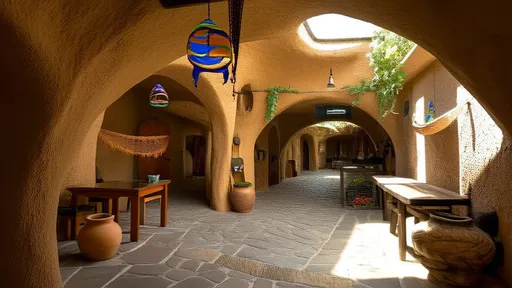
Living beneath the surface might sound claustrophobic to some, but these communities are anything but dark and cramped. Many feature high ceilings, spacious rooms, and even courtyards open to the sky. The thick rock walls act as natural insulators, keeping interiors cool in summer and warm in winter. In places like Spain’s Andalusia, families still gather in their cuevas (caves) for meals, enjoying the natural air conditioning that requires no electricity. It’s a sustainable way of living that modern architects are only beginning to rediscover.
One of the most striking examples of this underground architecture is the ancient city of Matmata in Tunisia. Made famous by Star Wars as the filming location for Luke Skywalker’s home, its crater-like pits and subterranean chambers were originally dug by the Berbers to escape the heat. Today, many of these homes remain inhabited, their residents living much as their ancestors did centuries ago. The design is ingenious: central courtyards funnel air downward, creating natural ventilation, while the surrounding rooms stay refreshingly cool even at the height of summer.
What’s remarkable is how these underground communities have adapted to modern life without losing their essence. In parts of Greece, cave homes have been retrofitted with Wi-Fi and contemporary kitchens, blending ancient wisdom with modern convenience. In Italy’s Matera, a UNESCO World Heritage site, centuries-old cave dwellings now house boutique hotels and restaurants, drawing tourists eager to experience this unique way of living. The juxtaposition of old and new highlights the enduring relevance of these structures.
The environmental benefits of underground living are impossible to ignore. With global temperatures rising, the passive cooling techniques used in these communities offer lessons for sustainable architecture. Unlike energy-guzzling air conditioning, these homes require no external power to stay cool. The earth itself does the work, maintaining a steady temperature that rarely fluctuates. In an era of climate crisis, such solutions are more than just curiosities—they’re potential blueprints for the future.
Yet, living underground isn’t without its challenges. Moisture control can be an issue, and in some regions, the risk of erosion or collapse requires constant maintenance. Still, the resilience of these communities speaks volumes. Generations have thrived in these spaces, proving that comfort doesn’t always require modern technology. There’s a quiet elegance to these homes, a harmony with the land that feels increasingly rare in today’s world.
Perhaps the most fascinating aspect of these subterranean villages is the sense of community they foster. Unlike sprawling urban developments, where neighbors might never meet, cave dwellings often cluster together, sharing walls and courtyards. In Turkey’s Derinkuyu, an ancient underground city could house thousands, complete with schools, churches, and communal kitchens. While modern versions are smaller, the emphasis on shared spaces remains. It’s a reminder that architecture shapes not just how we live, but how we connect with one another.
As the world grapples with extreme weather and energy shortages, the Mediterranean’s underground communities offer more than just a historical curiosity. They represent a way of life that is both ancient and strikingly relevant. From the wind-carved caves of Santorini to the labyrinthine tunnels of Malta, these spaces challenge our assumptions about what a home should be. In their cool, shadowed halls, they hold a promise—a vision of living that is sustainable, communal, and deeply rooted in the earth.

By /Jul 16, 2025
By /Jul 16, 2025

By /Jul 16, 2025

By /Jul 16, 2025

By /Jul 16, 2025

By /Jul 16, 2025
By /Jul 16, 2025

By /Jul 16, 2025

By /Jul 16, 2025
By /Jul 16, 2025

By /Jul 16, 2025
By /Jul 16, 2025

By /Jul 16, 2025

By /Jul 16, 2025

By /Jul 16, 2025

By /Jul 16, 2025

By /Jul 16, 2025

By /Jul 16, 2025

By /Jul 16, 2025

By /Jul 16, 2025
